ECOWAS Unveils Its New Regional Policies on Sports and Volunteering for Inclusive Integration and Development
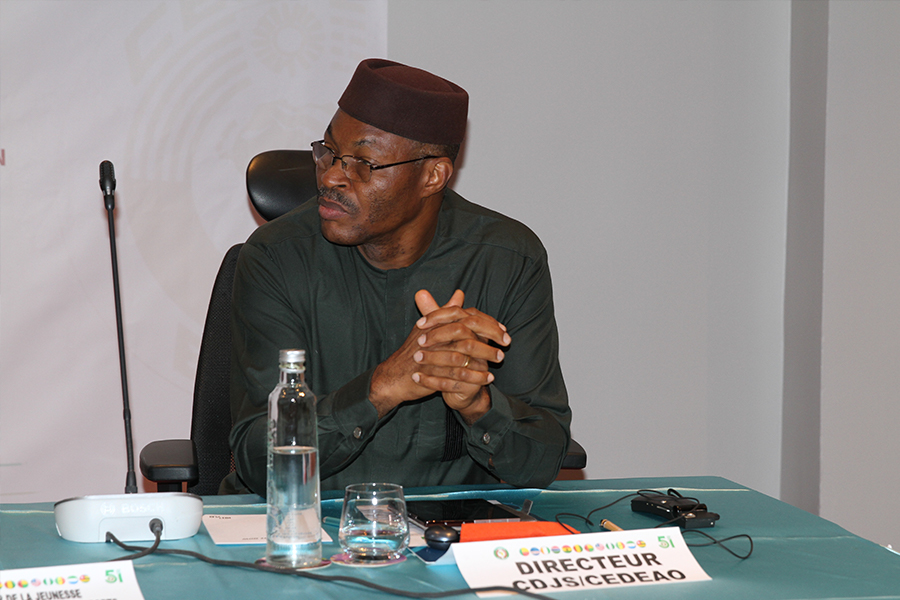
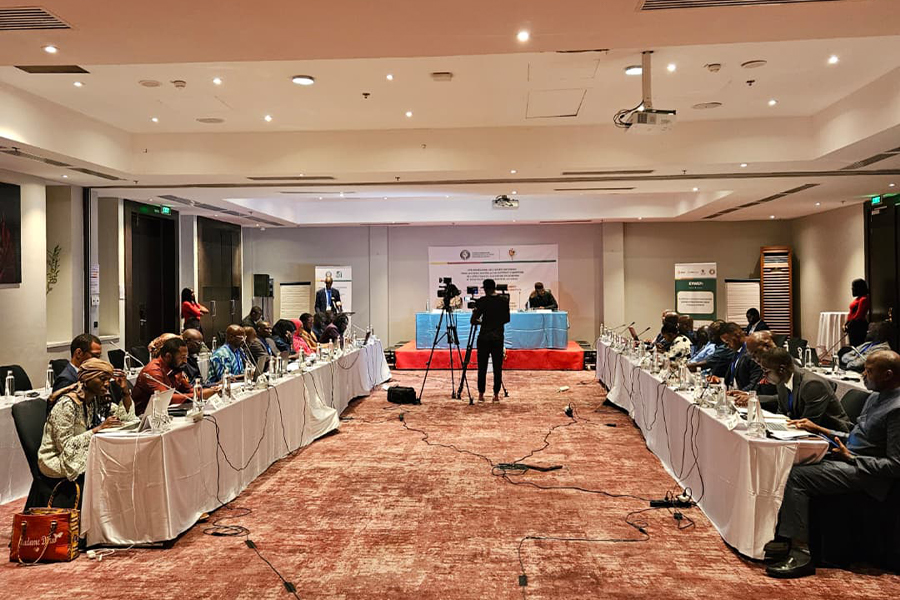
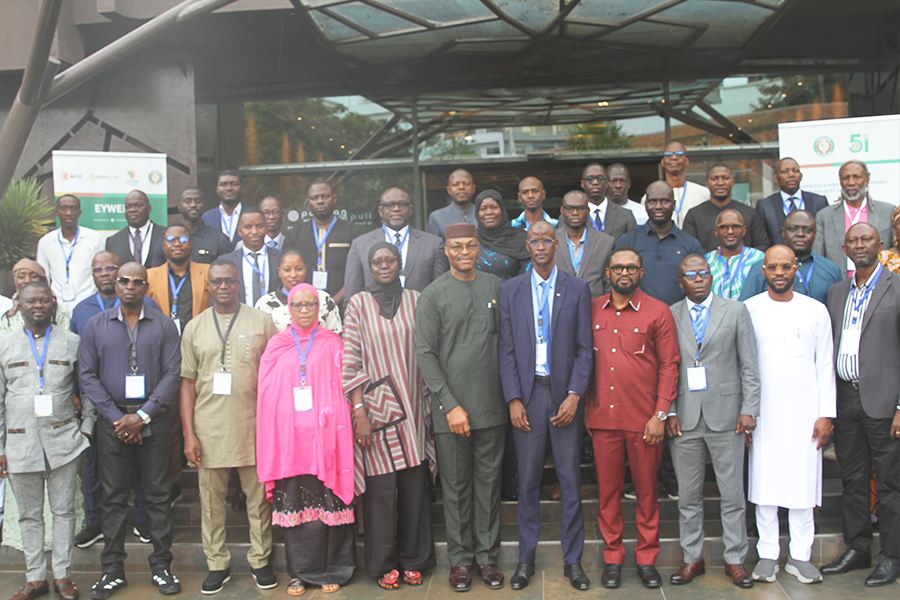
The regional workshop on the consolidation, validation, and adoption of regional policies on youth, Sports, and Volunteering reached a major milestone with the official presentation of the draft ECOWAS Regional Sports Policy and the Strategic Document for the ECOWAS Volunteer Program (PVC). This session enabled experts from member states, ECOWAS institutions, and technical and financial partners to review the strategic directions that will guide these two priority sectors over the coming years.
The presentation of the ECOWAS Regional Sports Policy highlighted the Community’s ambition to make sports a powerful driver of regional integration, economic development, social cohesion, and the promotion of peace. Developed in line with ECOWAS’s Vision 2050 as well as continental and international frameworks, this policy aims to strengthen sports governance, improve sports infrastructure, promote grassroots sports and elite sports, support the sports economy, and foster inclusive participation by women, youth, and people with disabilities.
The experts also reviewed the 2026–2035 Strategic Action Plan that accompanies this policy. The plan defines priority actions, coordination mechanisms, monitoring and evaluation indicators, and the procedures for mobilizing the resources necessary for its implementation.
The second presentation focused on the Strategic Document of the ECOWAS Volunteer Program, which aims to reposition volunteerism as a major instrument for human development, regional integration, and solidarity among the peoples of West Africa.
The discussions highlighted the contribution of volunteerism to strengthening citizenship, youth participation in development, conflict prevention, community resilience, and the achievement of the Sustainable Development Goals. The strategic document proposes, in particular, strengthening the Program’s governance mechanisms, further professionalizing volunteer interventions, and enhancing collaboration with member states, regional institutions, and development partners.
Following the two presentations, the delegations commended the quality of the documents while offering recommendations aimed at enhancing their relevance, ensuring their ownership by Member States, and improving their operational effectiveness. The experts’ contributions focused in particular on improving funding mechanisms, strengthening monitoring and evaluation mechanisms, aligning the documents with national policies, and integrating issues of gender, social inclusion, and digital transformation.
These presentations mark a crucial step in the regional policy validation process. The feedback received will be used to finalize the documents before they are submitted to the ministerial meeting for official adoption.
Through this initiative, ECOWAS reaffirms its commitment to equipping West Africa with modern and ambitious strategic frameworks capable of making sports and volunteerism drivers of sustainable development, peace, regional integration, and youth empowerment.